The page survives
Read
Every book in the collection is read page by page — histories, monographs, critical dictionaries. Original pagination survives, so every passage keeps its address: book, author, page.

A personal research library
Books are read once. Remembered forever.
Ask a question, follow an argument — every answer arrives with its sources: book · author · page.
The working collection
Not a reading list. A living archive — opened, indexed, cross-examined, and cited down to the page.
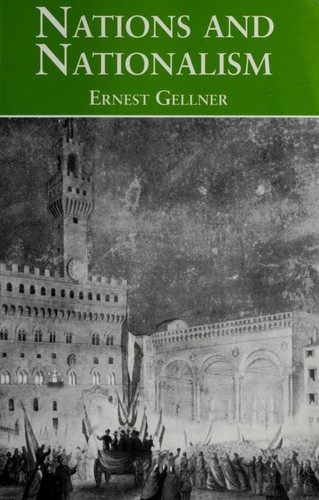
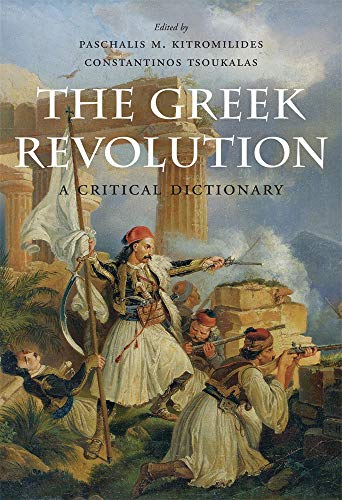
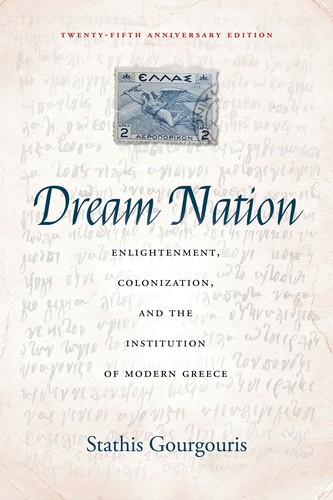
How memory becomes evidence
Four movements. One unbroken chain from the printed page to the answer in front of you.
The page survives
Every book in the collection is read page by page — histories, monographs, critical dictionaries. Original pagination survives, so every passage keeps its address: book, author, page.
The claim is pinned
Claims are never left standing on their own. Each is pinned to verbatim passages from the shelves, quoted exactly as printed and addressed down to the page.
“…nationalism is not the awakening of nations to self-consciousness: it invents nations where they do not exist…”
The archive answers
Curated questions and answers live alongside the books. Every answer carries its sources and the credentials of the scholars who wrote them.
Was the modern Greek state a revival of ancient Hellas?
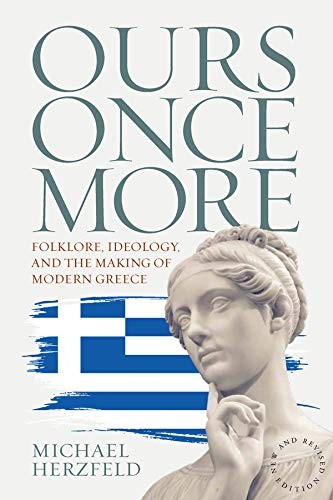
Michael HerzfeldOurs Once More · pp. 3–23
Stathis GourgourisDream Nation · pp. 71–99
The evidence travels
The evidence becomes essays and visual stories — verbatim quotations set with their citations intact. The argument travels with its sources attached.
Flagship collection / 01
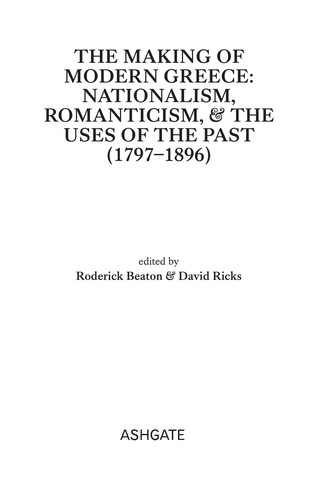
Twenty-five scholarly works — histories of revolution, folklore, language, archaeology, and identity — read page by page and indexed down to the paragraph.
Enter the collection On nations & forgetting
“Forgetting, I would even say historical error, is an essential factor in the creation of a nation.”
The promise of the archive